
Resolve entities across systems in seconds. Purpose-built AI links scattered records to real-world people, companies, and assets. Get unified profiles that reveal who is who across all your data sources.
Start Resolving Entities Now




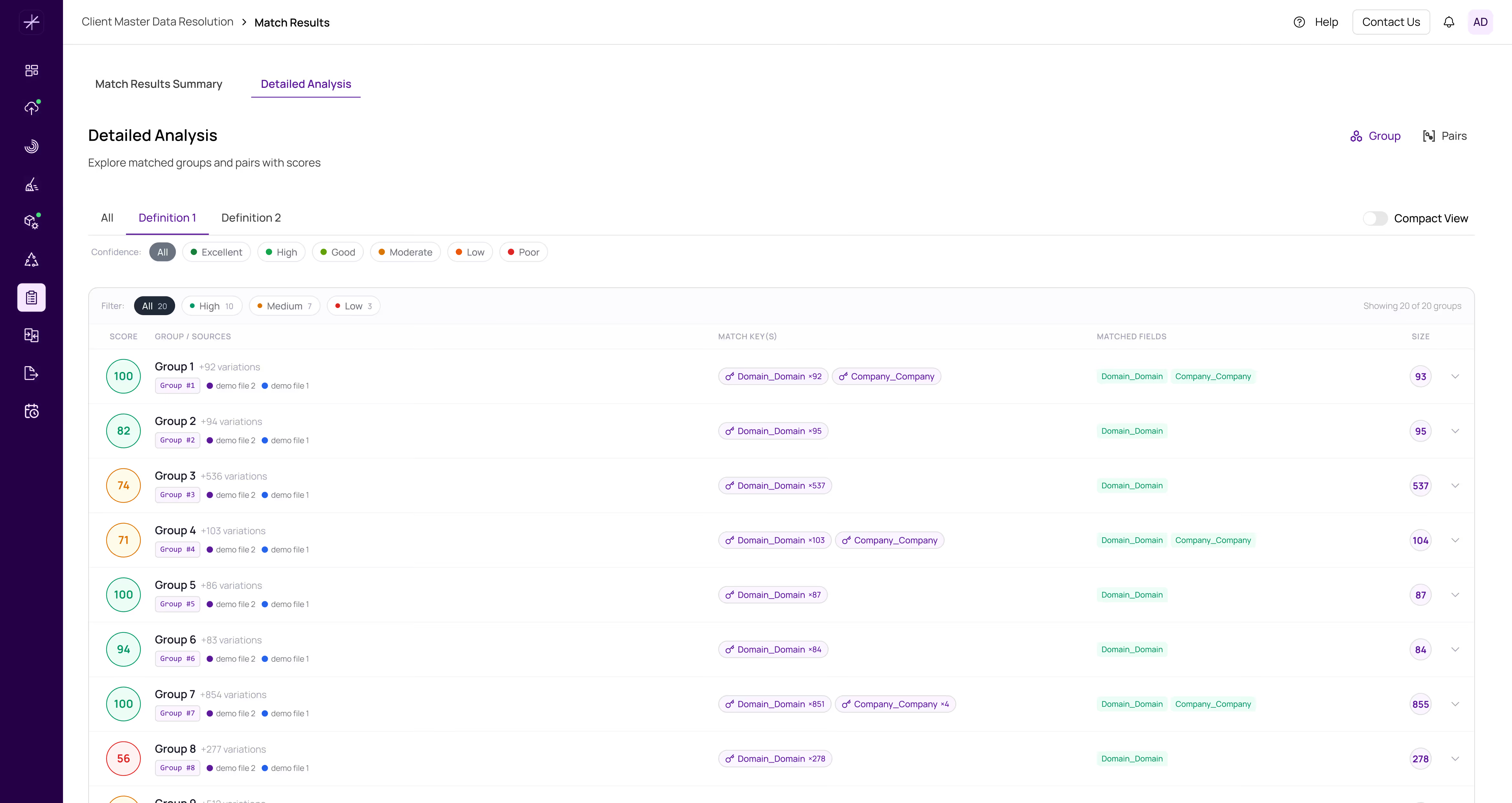

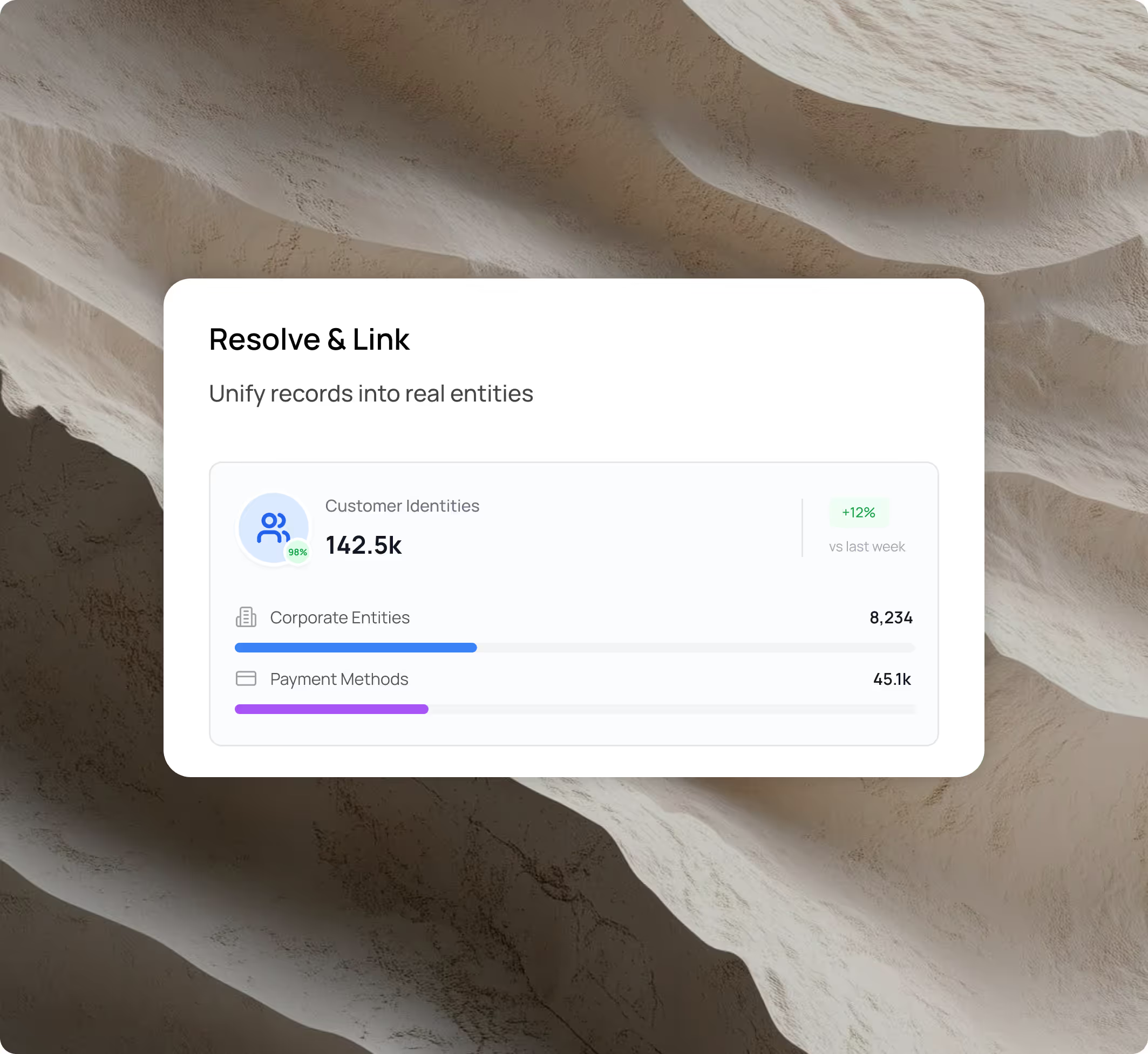
Connect scattered records to the people, companies, and assets they represent. Entity clusters form across all your systems, with no rules to write.

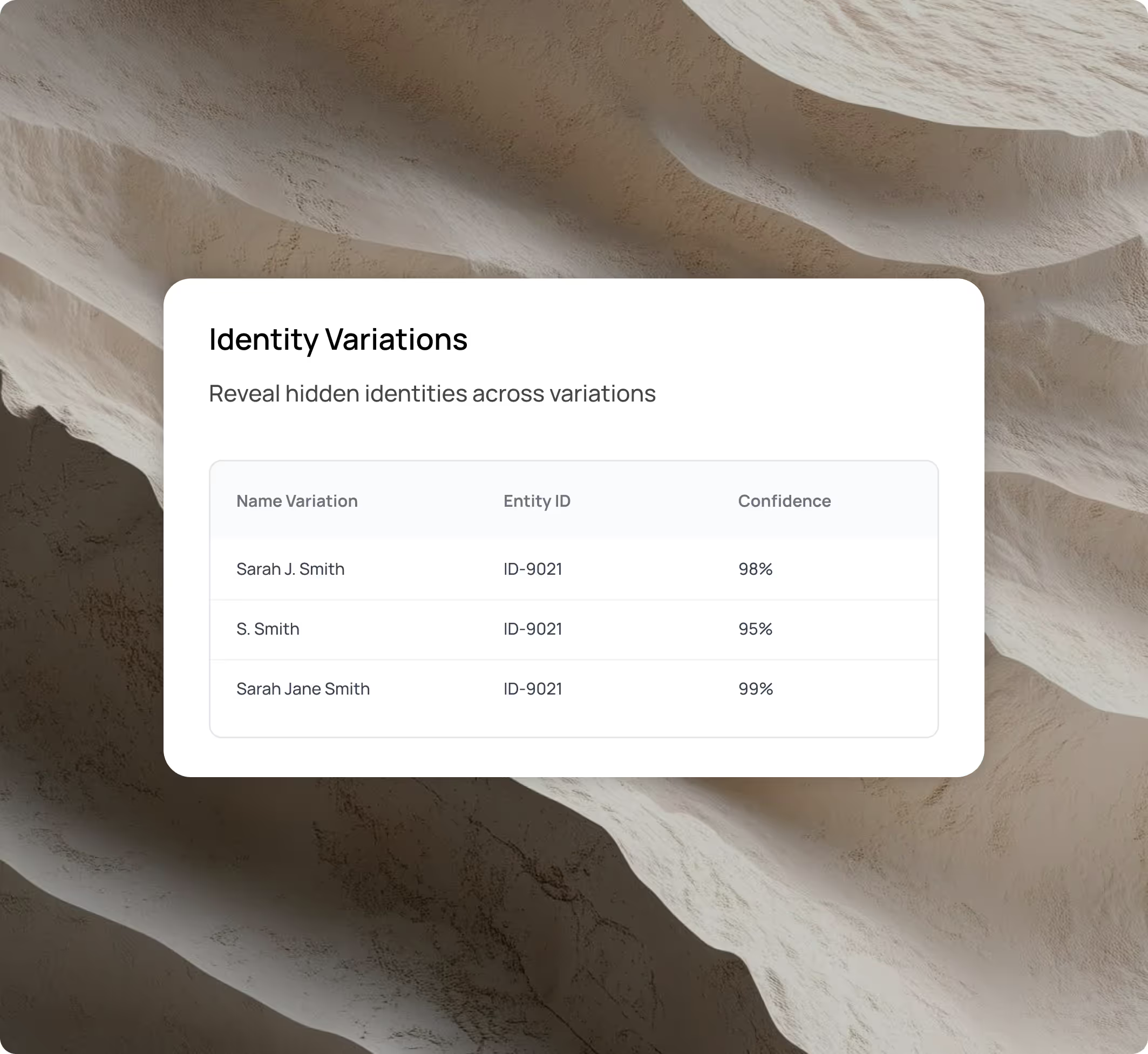
Find when Mike Rogers, Michael Rogers, and M. Rogers are the same person. Nicknames, typos, and abbreviations resolve instantly, with nothing to configure.

Combine fragments into complete profiles. Get the full picture of every customer, vendor, and contact across your enterprise.
“As part of the journey we’ve gone through with Matchlogic, we’re becoming more data-first, moving from assumption to assurance around data quality.”
Compare records against millions simultaneously. The engine pairs pre-trained AI with specialized comparators for names, addresses, phones, dates, and identifiers, scoring exact matches, fuzzy variations, and sound-alikes in one scan.
Related records group together on their own, with no thresholds to tune. As new data arrives, earlier clusters are revisited and corrected, so accuracy never drifts between loads.
See which records resolve to the same entity and why, with field-by-field evidence and confidence scores for every link. Visual breakdowns show where variations occur and how records connect across sources.
Resolution is not a one-time cleanup. Through the REST API, every new record resolves against your existing entities the moment it arrives, and fragmentation is tracked without manual work.
See your entity landscape in seconds. Records connect across all systems simultaneously, revealing entity clusters, confidence scores, and relationship evidence. Know exactly which records belong together, instantly.
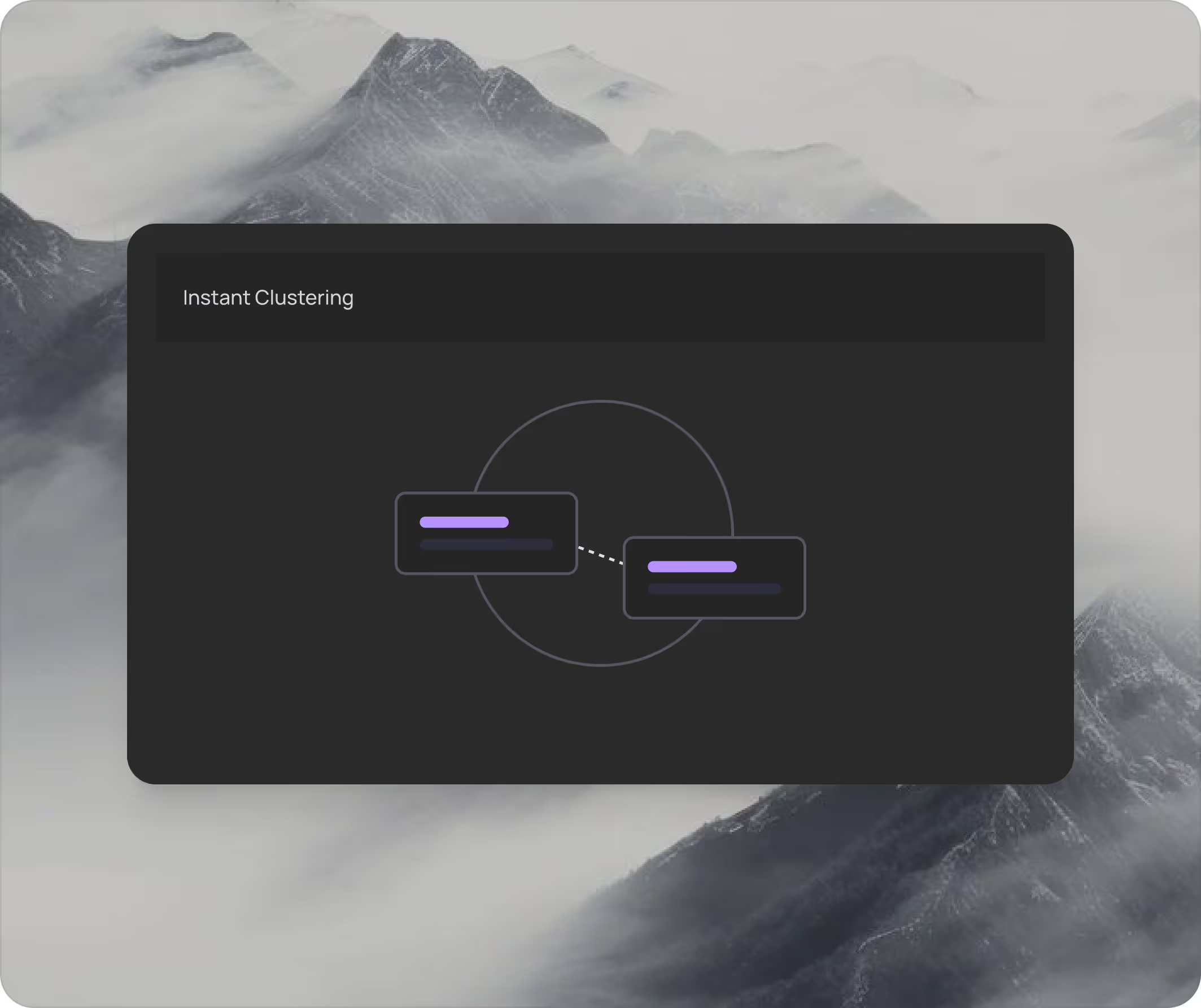
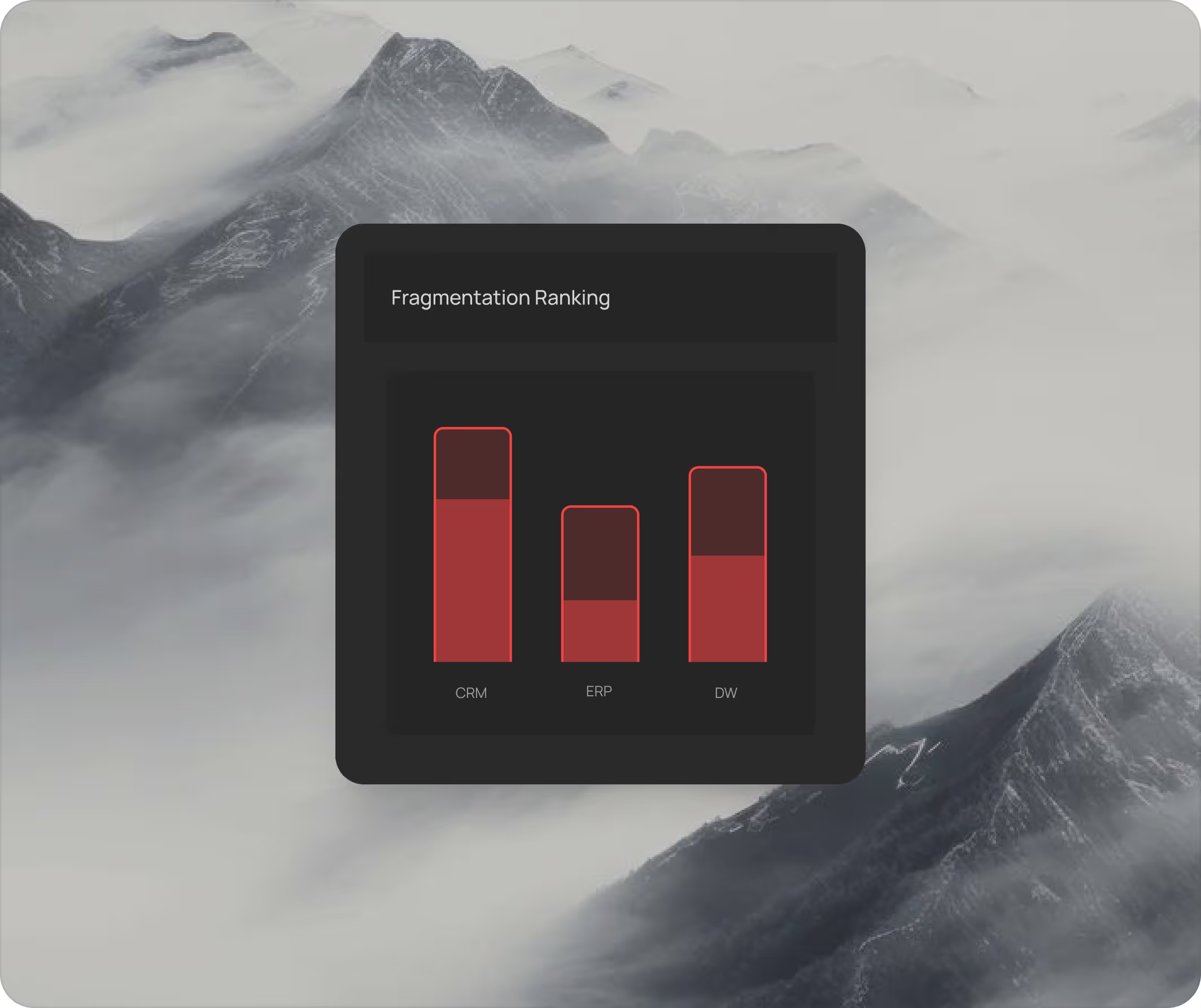
Get entity clusters for every related record group instantly. See which entries connect and which systems have the most fragmentation.
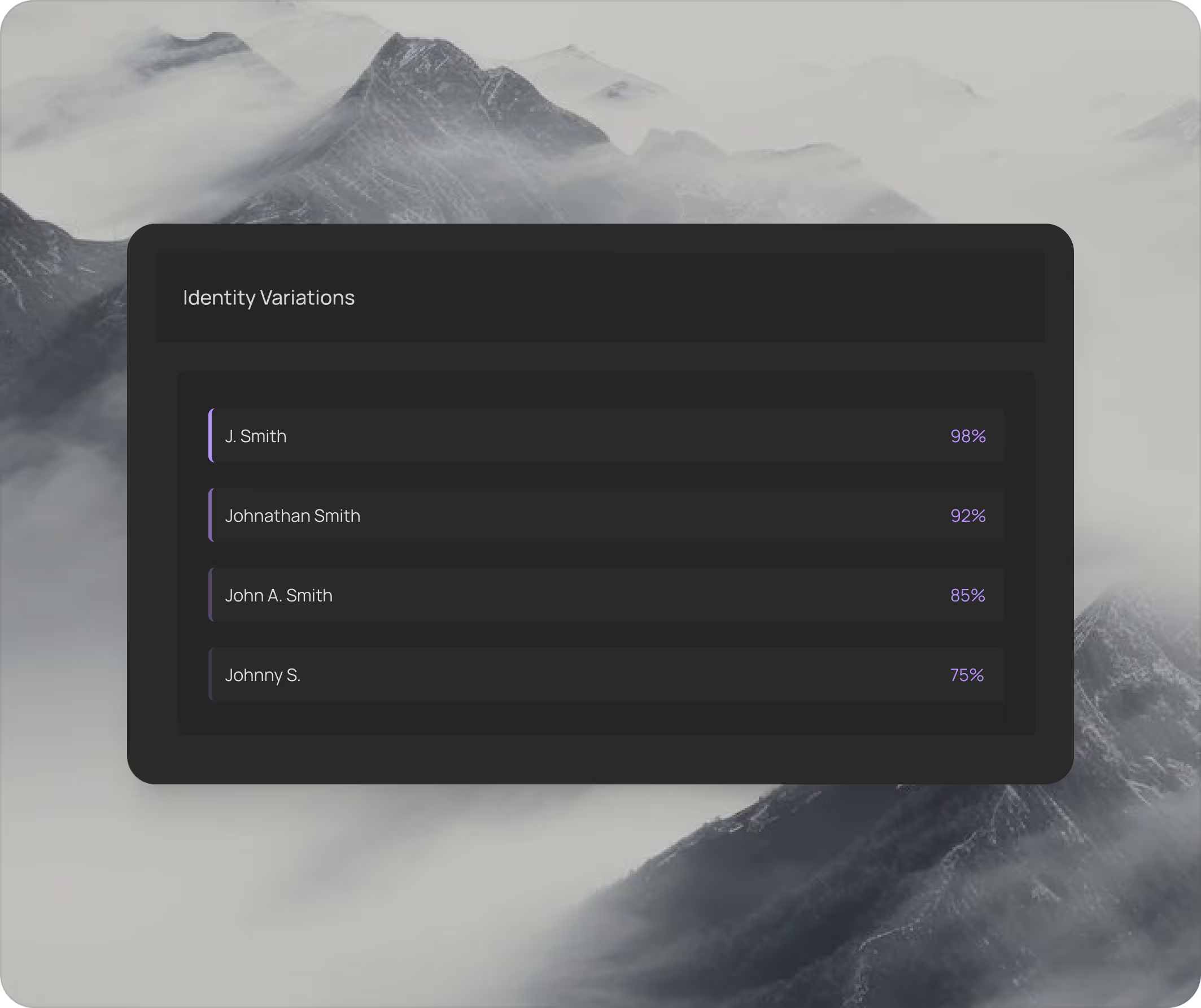
Pre-trained on global libraries of names, nicknames, and addresses, the AI catches variations a rules engine would never anticipate, from misspellings to alternate legal names.
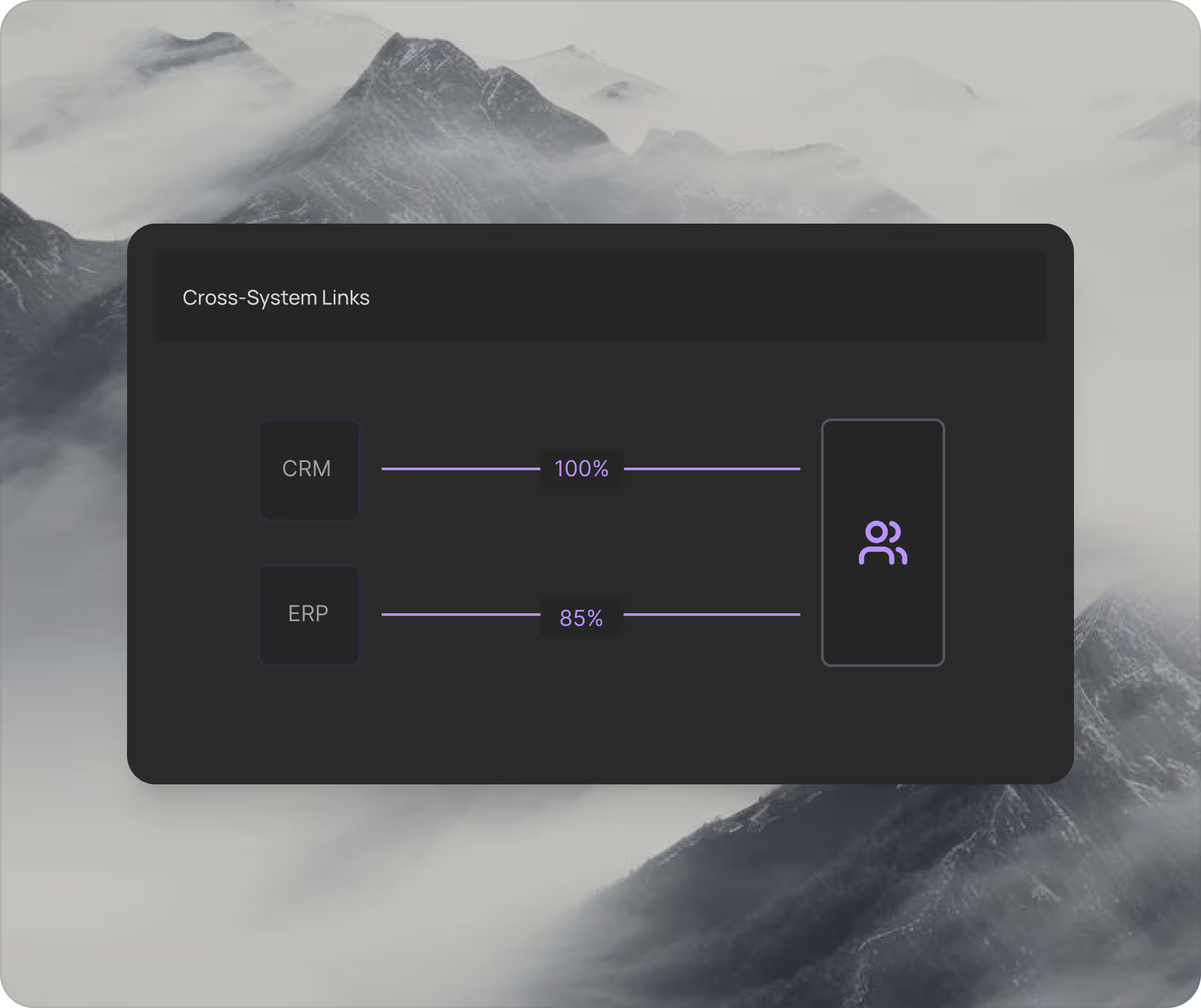
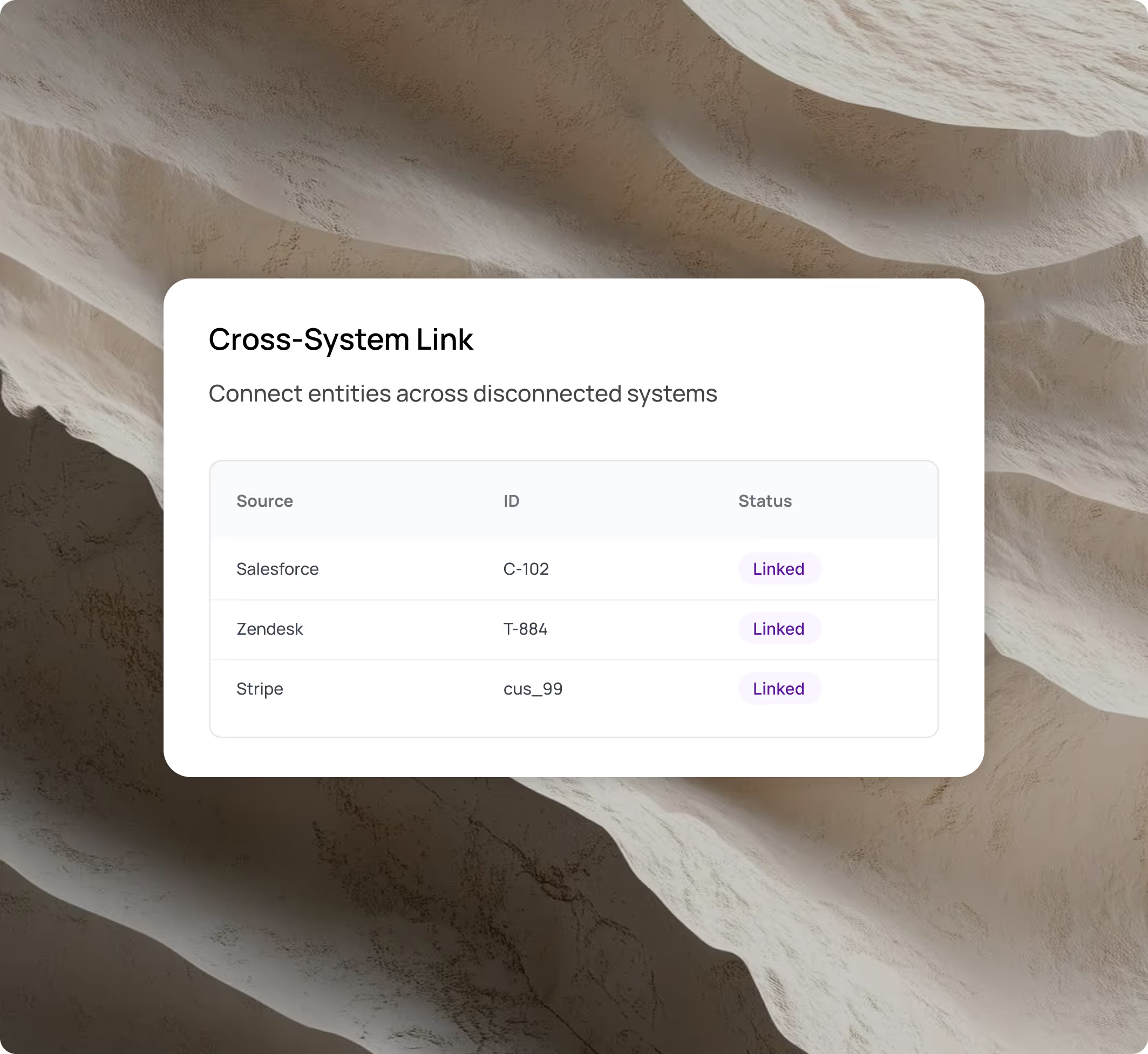
One engine resolves records from CRM, ERP, billing, support, and analytics at the same time, so each resolved entity carries evidence from every source.
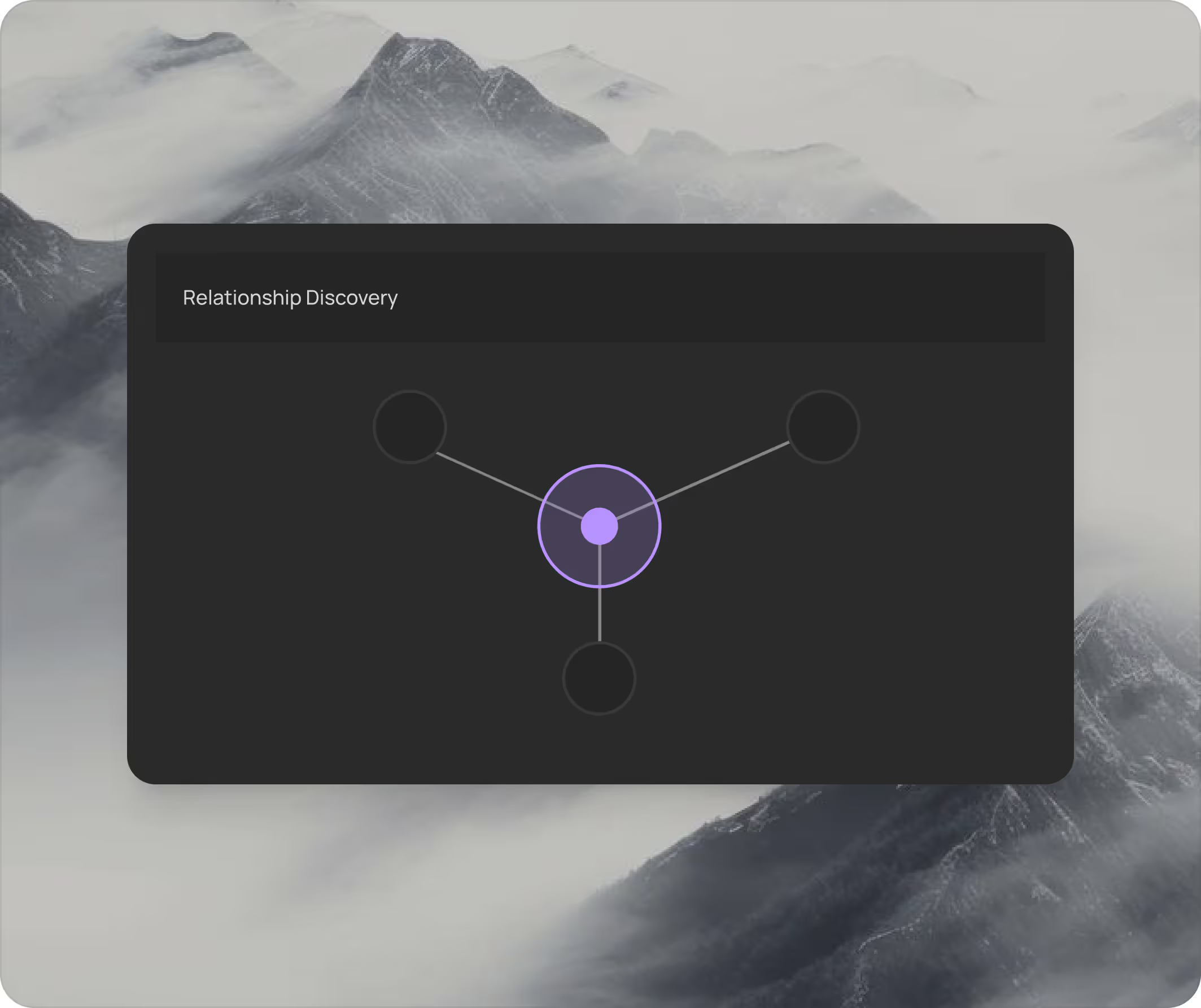
Find connections between records across datasets: shared addresses, shared identifiers, and the other links that point to one underlying entity.
Get hard metrics on entity resolution quality. matchlogic calculates confidence scores, match evidence, and cluster completeness for every resolved entity. Track resolution quality over time.
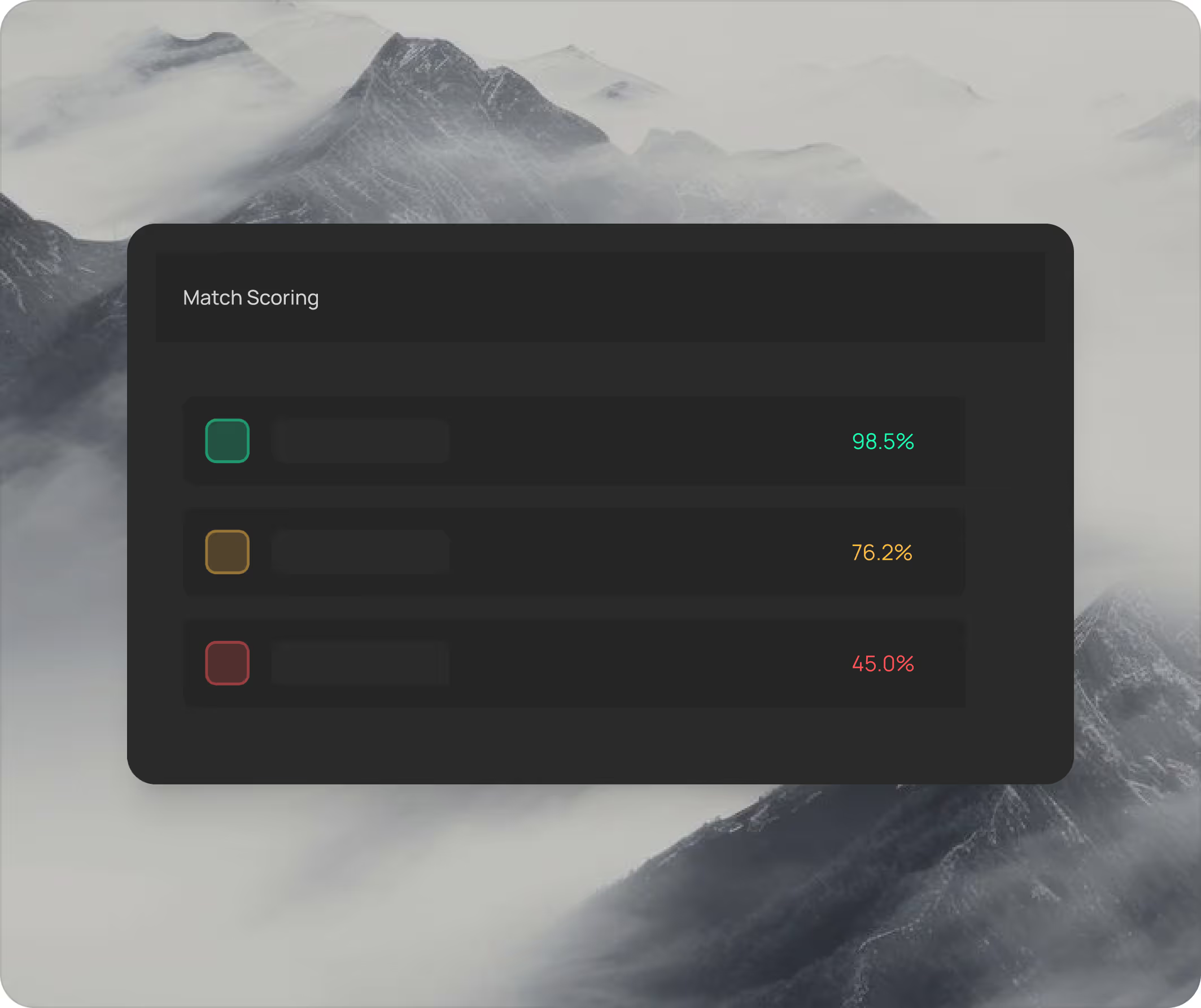
Every record pair gets scored for match likelihood across multiple fields. Know which links are certain enough to auto-merge and which need human review first.
Apply the same standardization rules across CRM, ERP, and warehouse data. Ensure consistent formats regardless of source system. Unify data from everywhere.
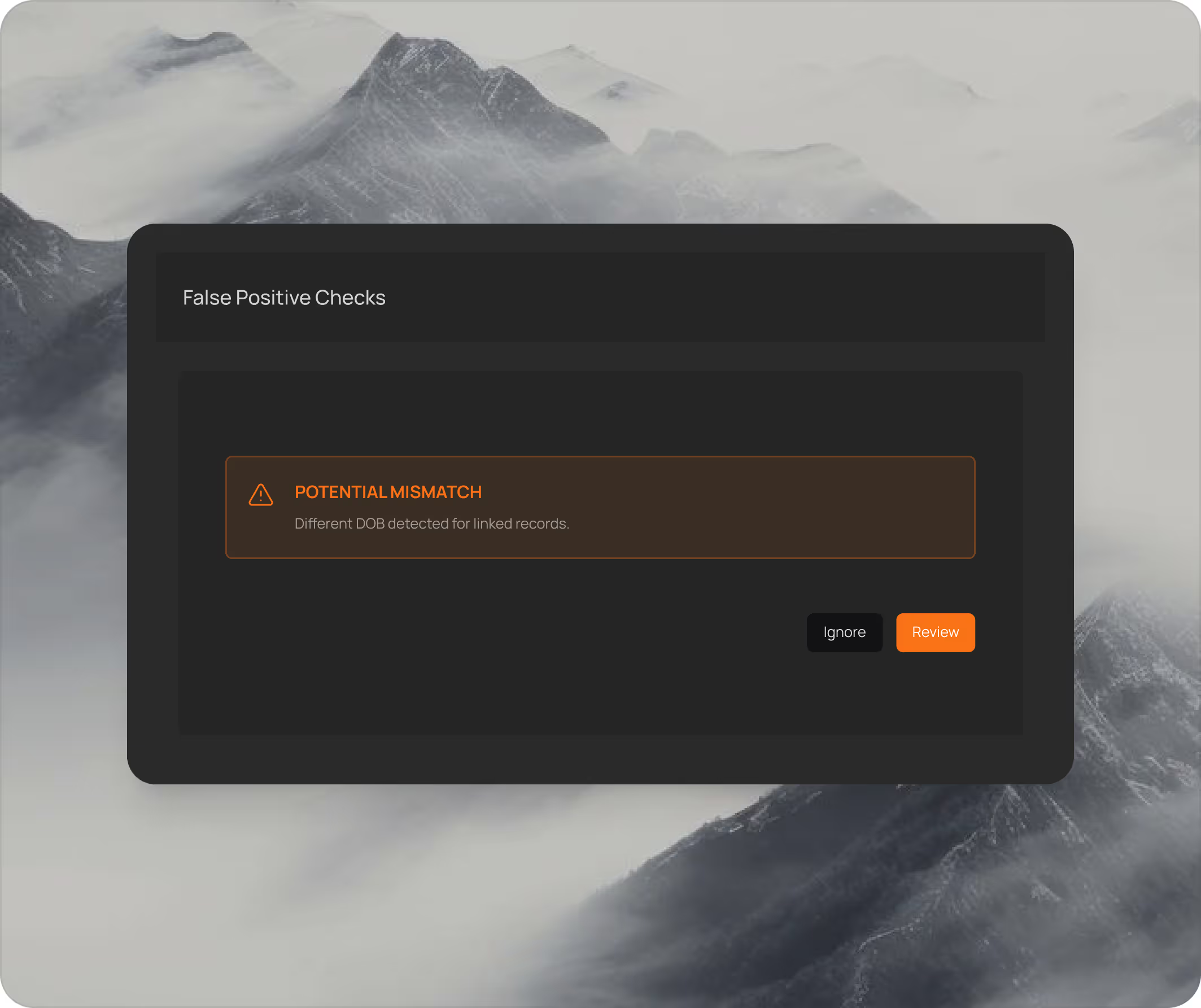
Low-confidence matches get flagged for review before they create wrong entity merges, keeping false positives out of your golden records.
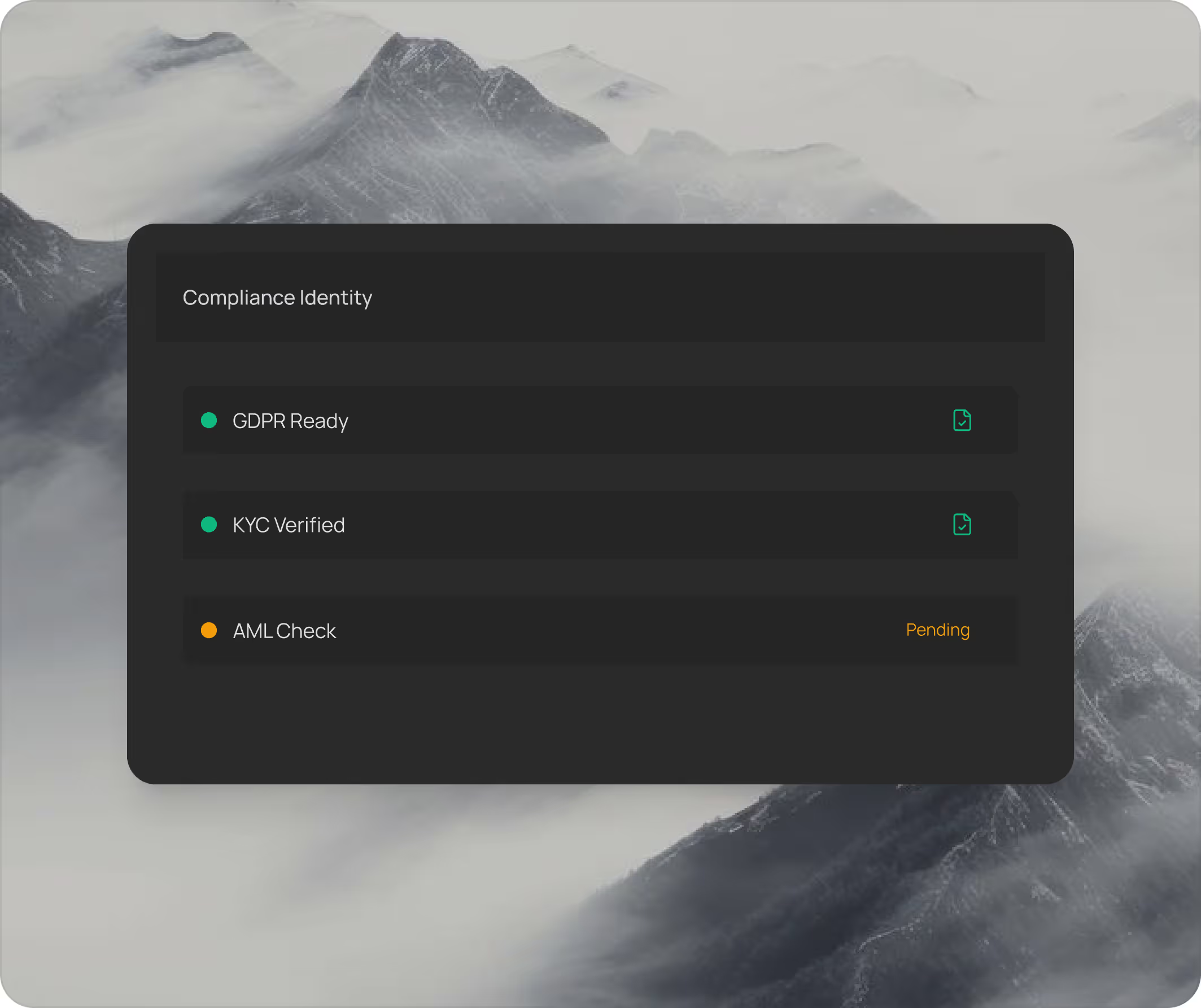
Every merge decision is logged with before-and-after snapshots. Audit trails show exactly which decisions ran, what changed, and why.
Get resolution reports instantly. MatchLogic generates entity clusters, match evidence, and relationship maps for every run. Export results as CSV or JSON, or sync directly to your MDM systems.
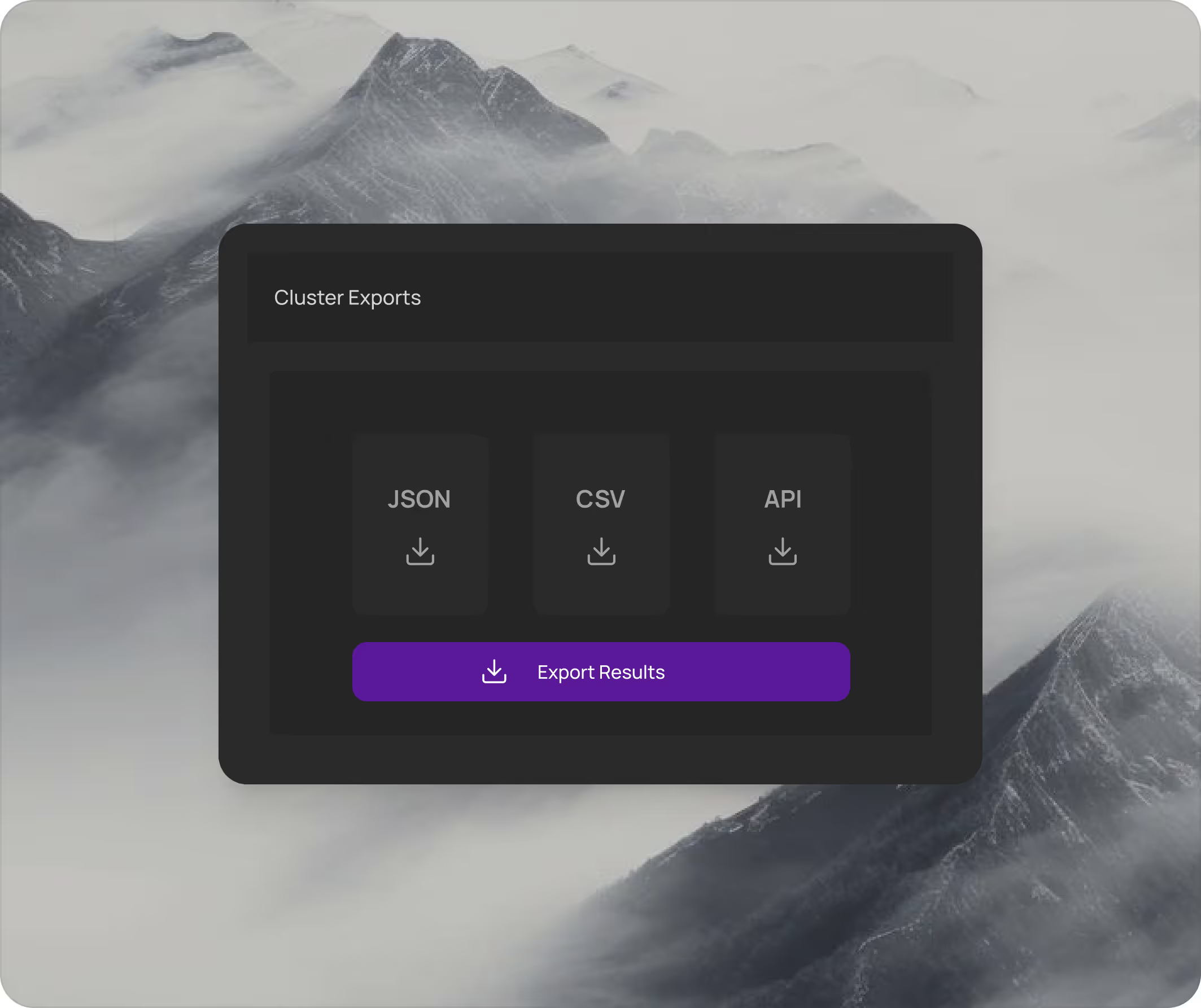
Export resolved entity clusters with full evidence trails. See which sources contributed which records. The files are ready for direct database updates or MDM imports.
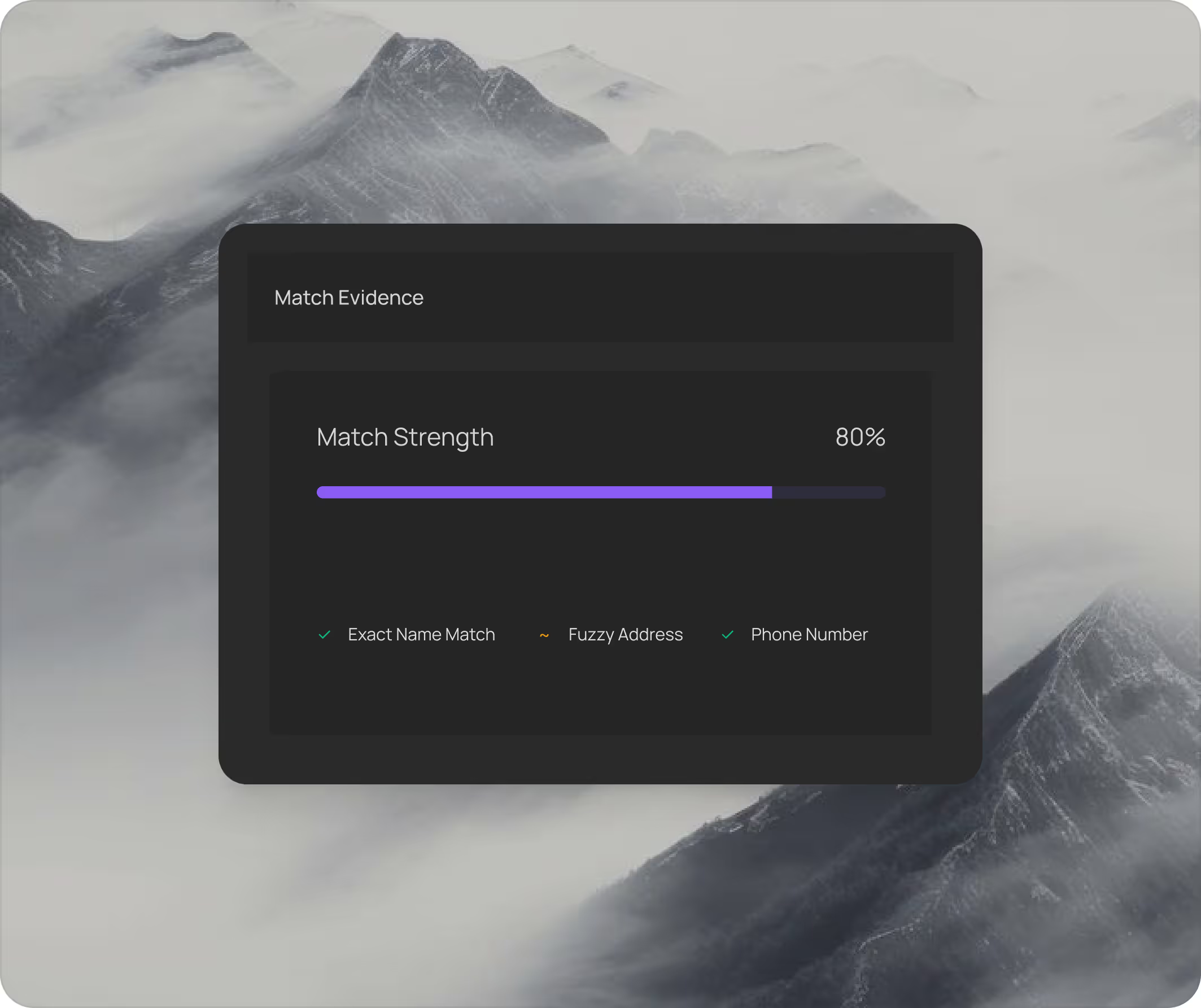
See exactly which attributes matched and why for every entity link. Evidence logs explain the score behind each match, keeping the reasoning visible to auditors.
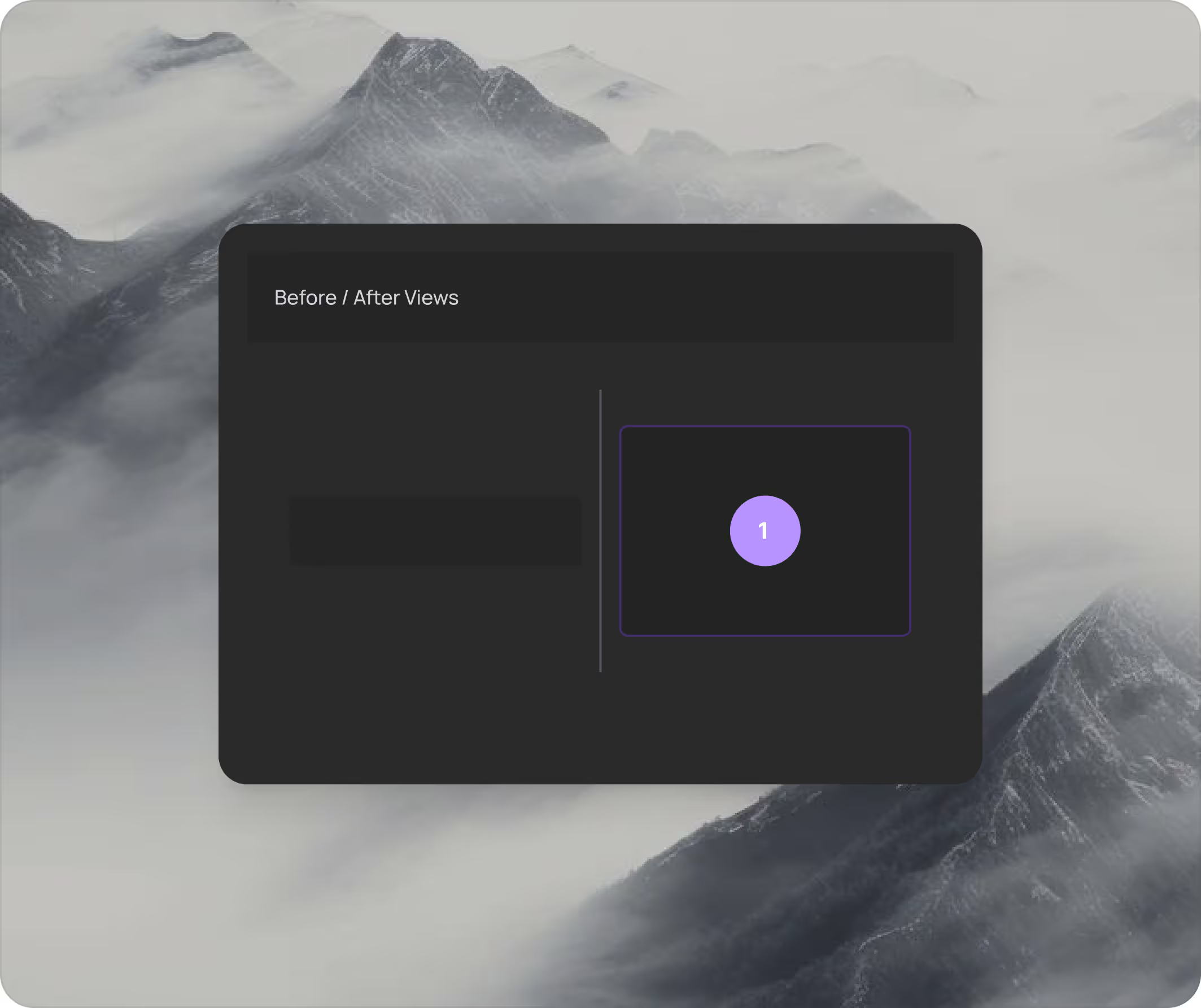
Compare original fragments against final golden records. See consolidation impact field by field. Validate merge quality before pushing changes to production.
Schedule resolution to run hourly, daily, or on data load. The AI resolves entities continuously without manual intervention, and alerts you when fragmentation spikes.
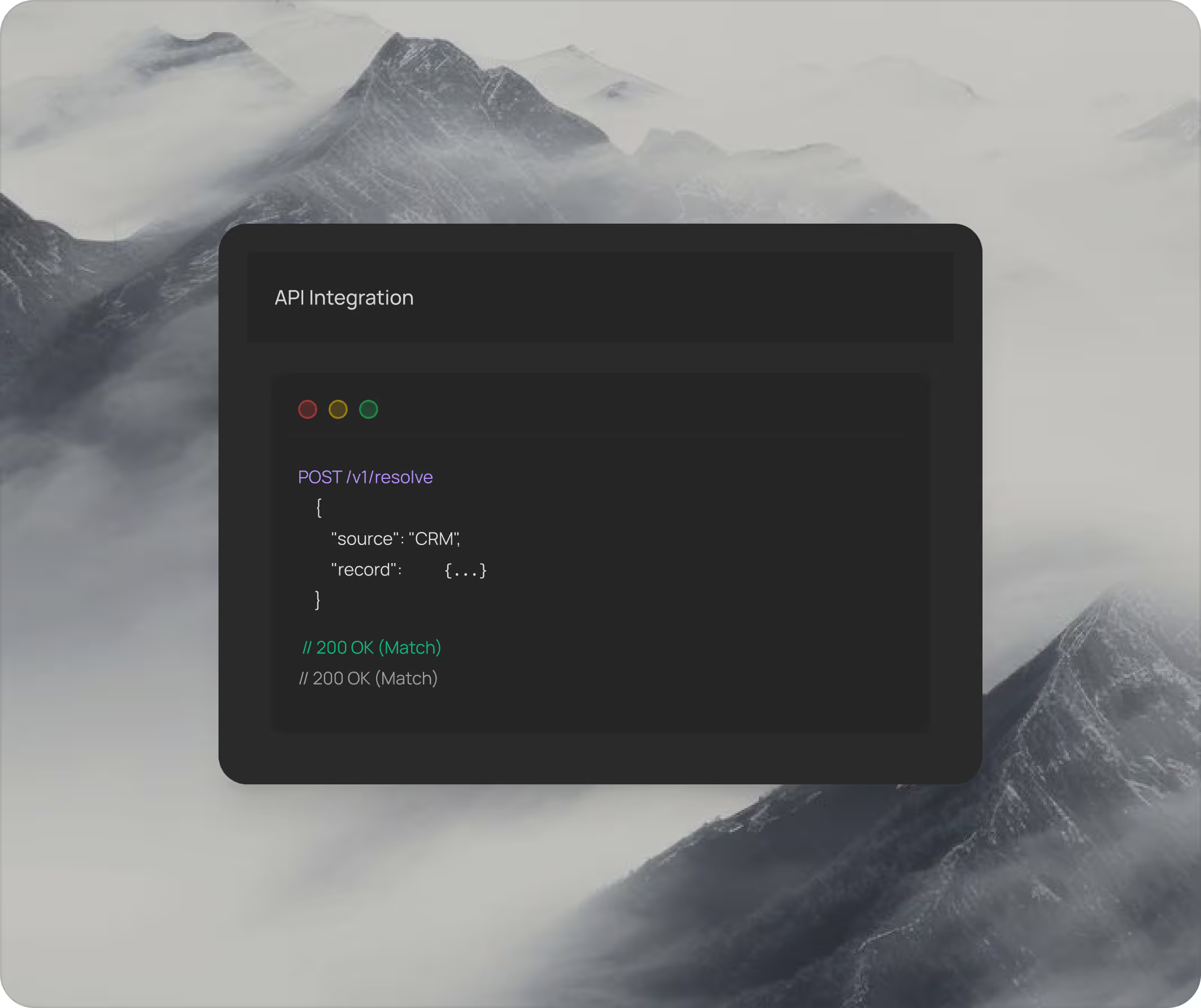
Embed resolution directly in your data pipelines. Fragments consolidate before they spread downstream, and golden records stay current as data changes.
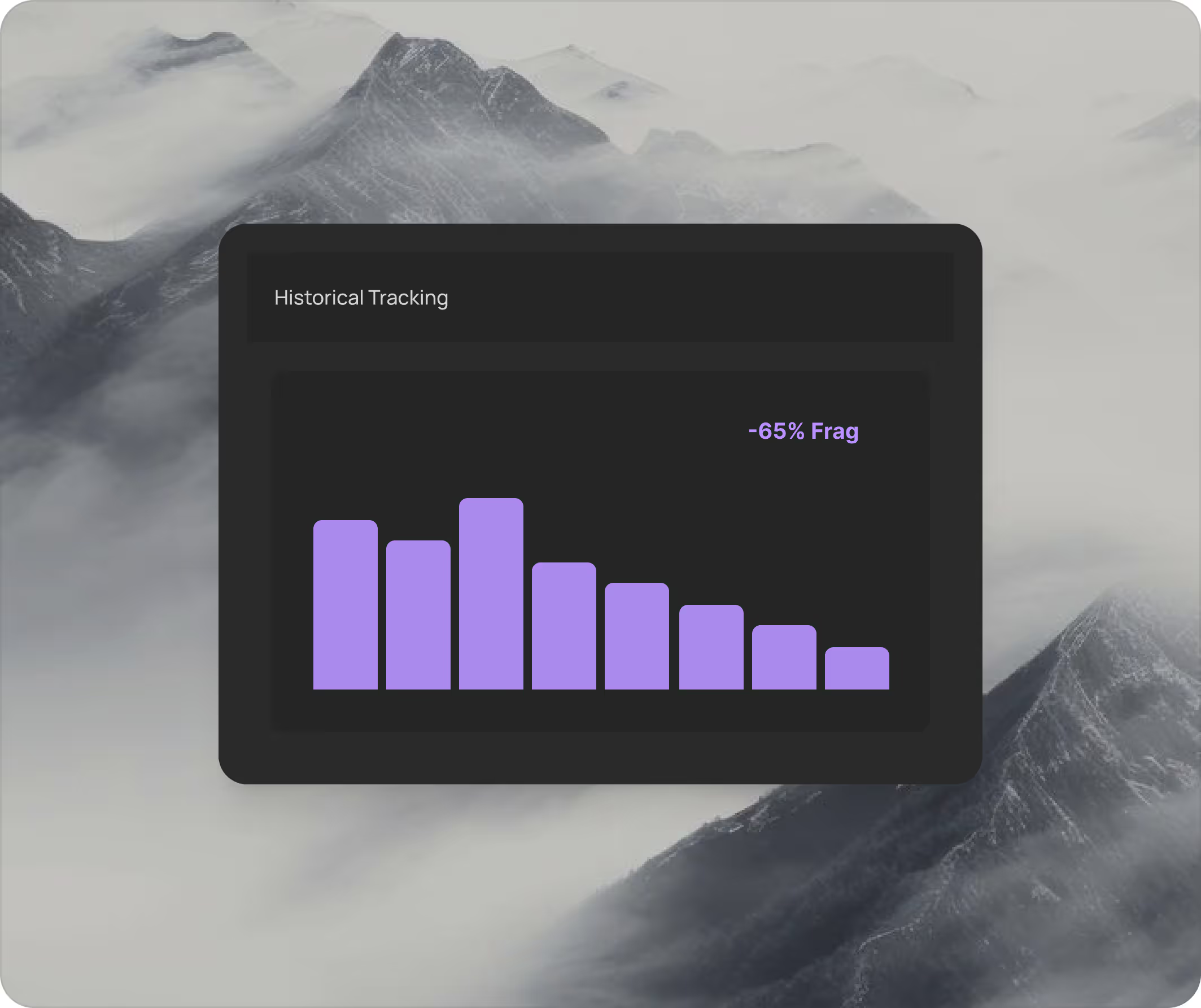
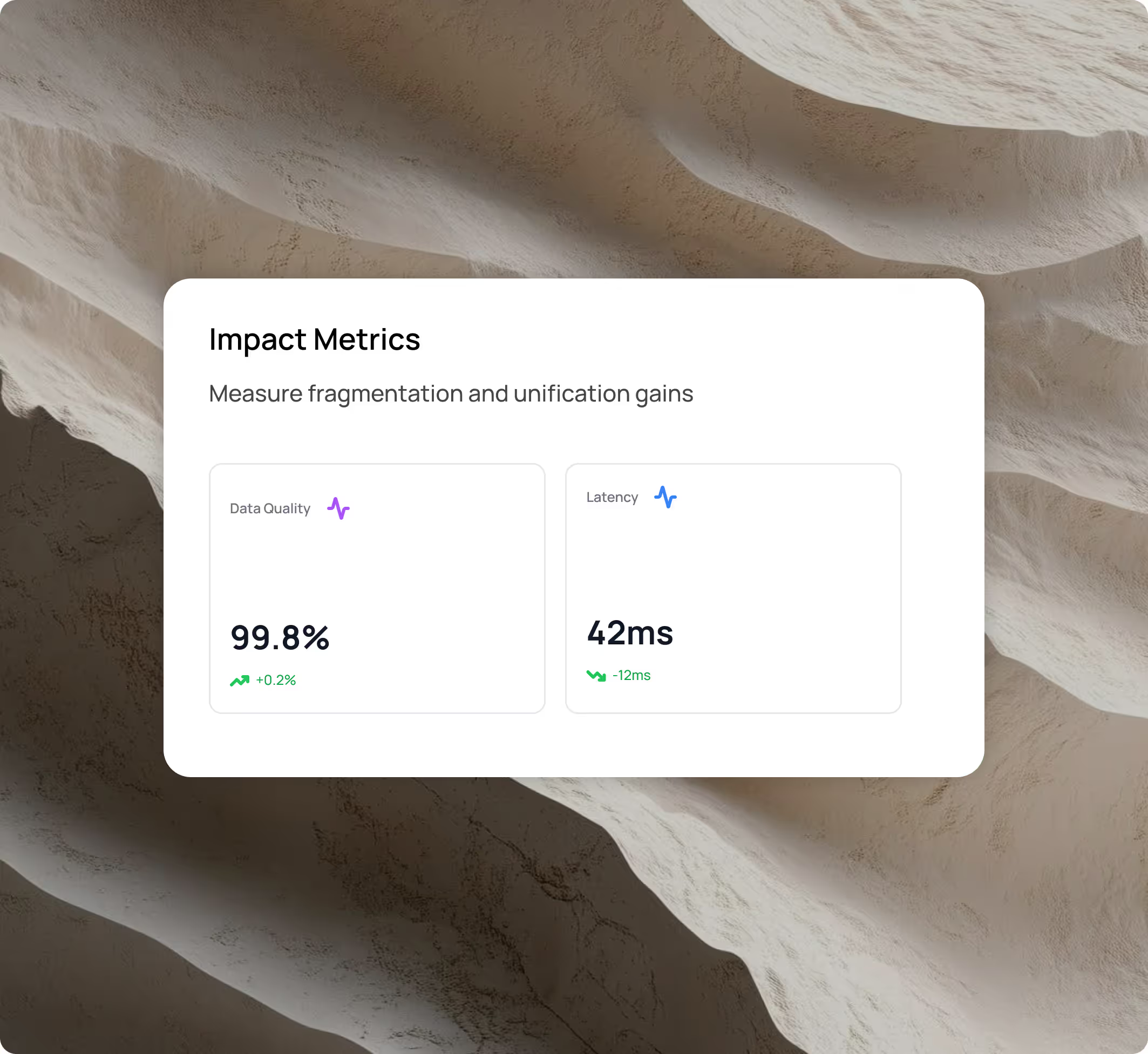
Compare resolution results over time. See entity fragmentation decrease and profile completeness improve. Prove the investment value with hard numbers.
Not fragments or variations. Upload your data and see entity clusters, confidence scores, and unified profiles instantly.
Start Resolving Entities
Yes. MatchSense, MatchLogic’s AI entity resolution engine, groups records into real-world entities on its own. It is pre-trained on global name, nickname, and address libraries, runs on your own infrastructure, and shows the evidence behind every decision it returns.
It shows exactly how your records connect to real-world entities. You see which fragments belong together, where identity variations hide, and how records cluster. Visual entity maps highlight relationships across all your systems before any data changes, giving you full control over identity unification.
MatchLogic resolves 10 million records in under 8 minutes, linking fragments and clustering related entities at scale. The engine analyzes every field, calculates match confidence, groups related records, and generates visual entity maps without performance issues.
Deduplication removes exact duplicates within one dataset. Entity resolution links related records across multiple systems to real-world entities - even when names, formats, and identifiers vary. You get unified profiles showing the complete picture of each customer, vendor, or contact.
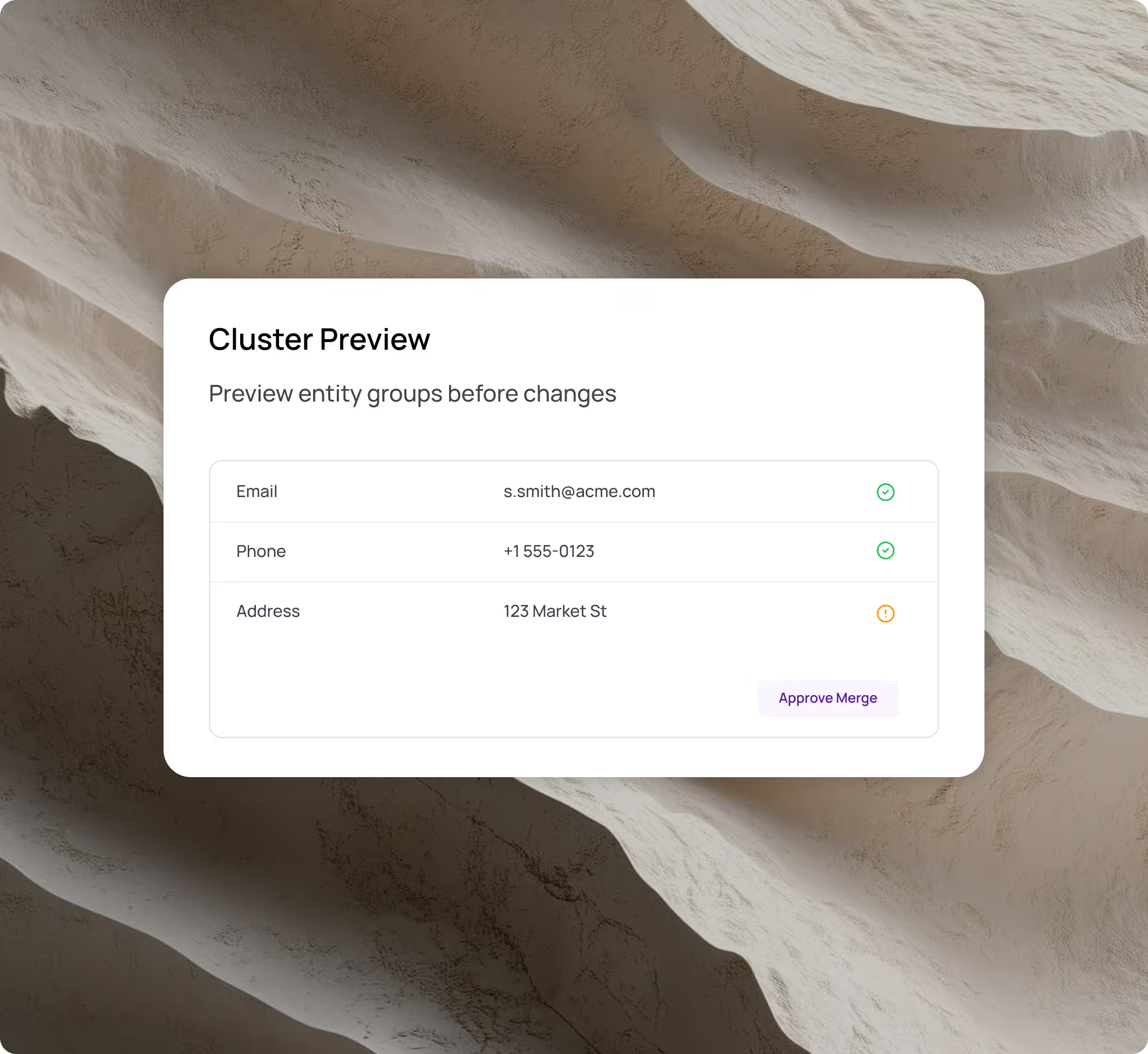
Yes - see exactly how records will cluster before any data changes. Visual previews show entity groups with confidence scores highlighted. Review field-by-field evidence, adjust matching rules, and approve results. Nothing changes until you confirm the resolution output.
Yes. Resolved entities give you unified customer identities for GDPR right-to-access requests, KYC verification, and AML screening. Every resolution carries an audit trail that shows which records belong to each entity and how each identity was resolved.

.svg)


