
Your CRM says you have 200,000 customers. Your ERP says 185,000. Your billing system says 210,000. matchlogic finds the overlaps, links the variants, and gives you the real number.

.avif)
.avif)
.avif)
.avif)
.avif)
Managing millions of records used to feel risky during high-stakes operations. With matchlogic, we finally have the confidence that our data will hold up under pressure.

Duplicate records corrupt every metric downstream: customer counts, lifetime value, churn rates, segmentation, and campaign targeting. matchlogic profiles, standardizes, and matches your customer data across every system so you can finally trust the numbers.
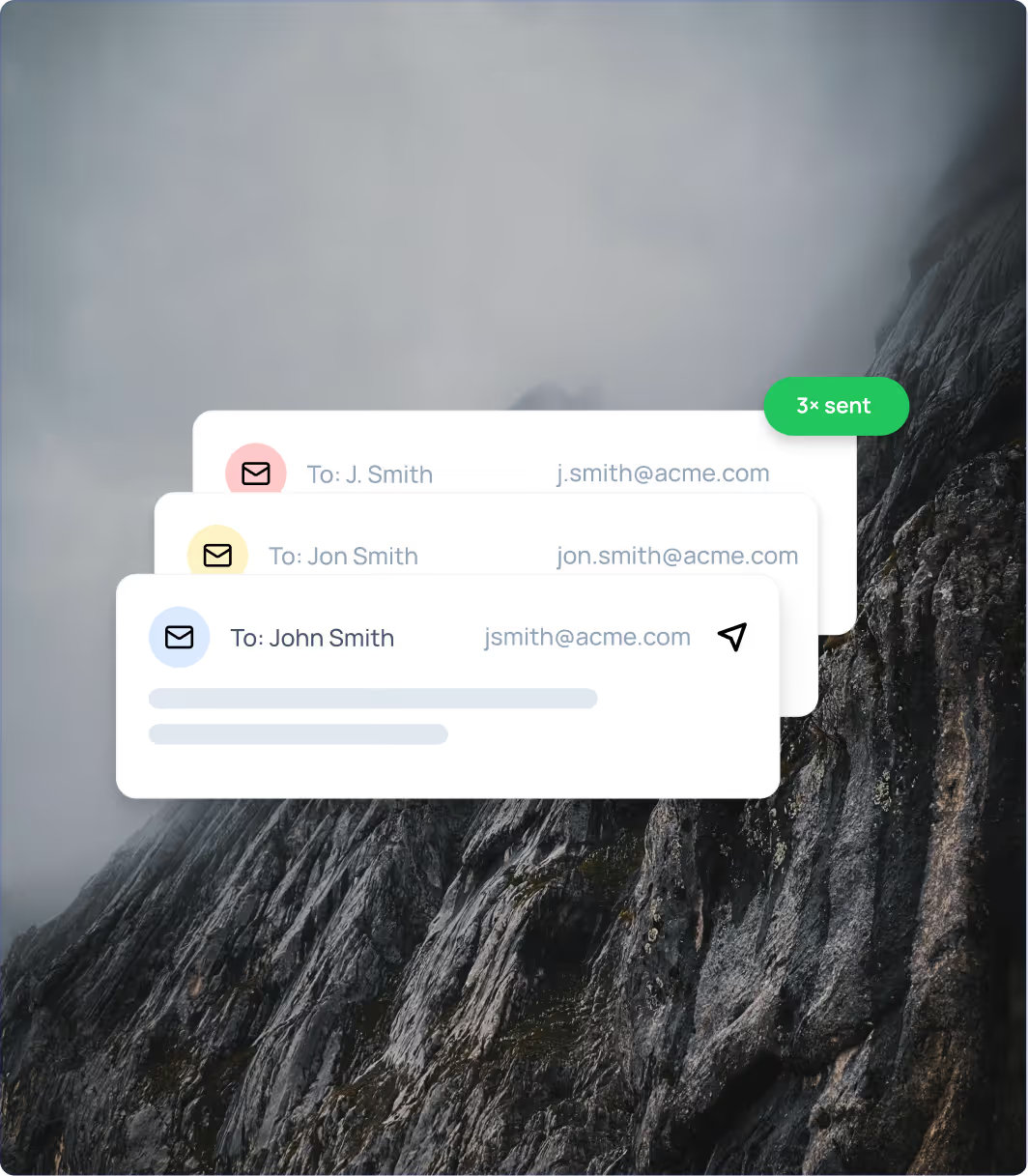
Duplicate customer records mean duplicate outreach. The same person receives the same email three times, each addressed to a slightly different version of their name. Segmentation breaks because one customer appears in multiple cohorts. Campaign performance metrics inflate when three records count as three conversions instead of one. Marketing teams lose budget and credibility to data they cannot trust.
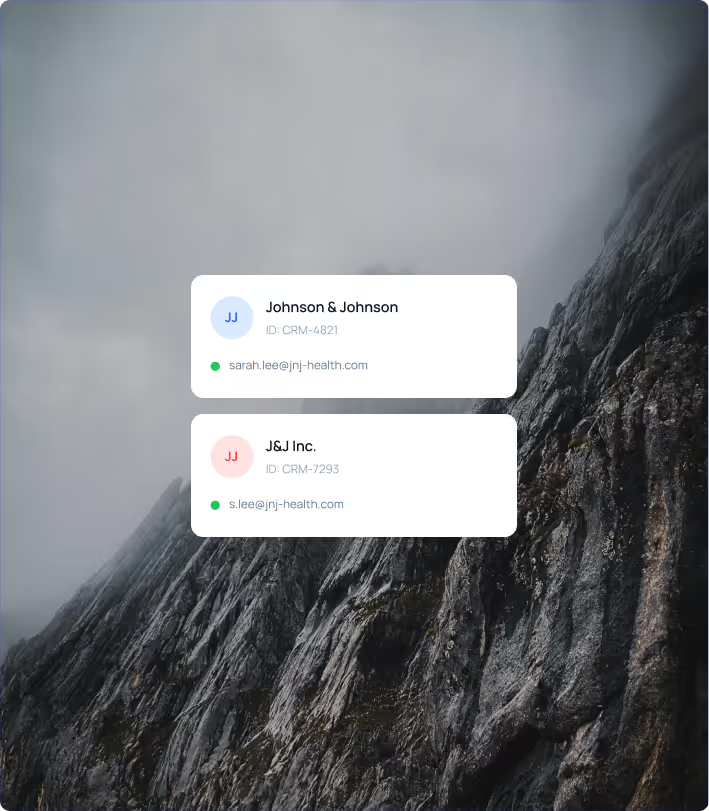
Two reps call the same account because it exists under two different company names. Territory assignments overlap when the CRM can't tell that 'Johnson & Johnson' and 'J&J Inc.' are the same buyer. Pipeline reports show phantom opportunities because a single deal is logged against duplicate contact records. Revenue forecasting suffers when the data underneath it has no integrity.
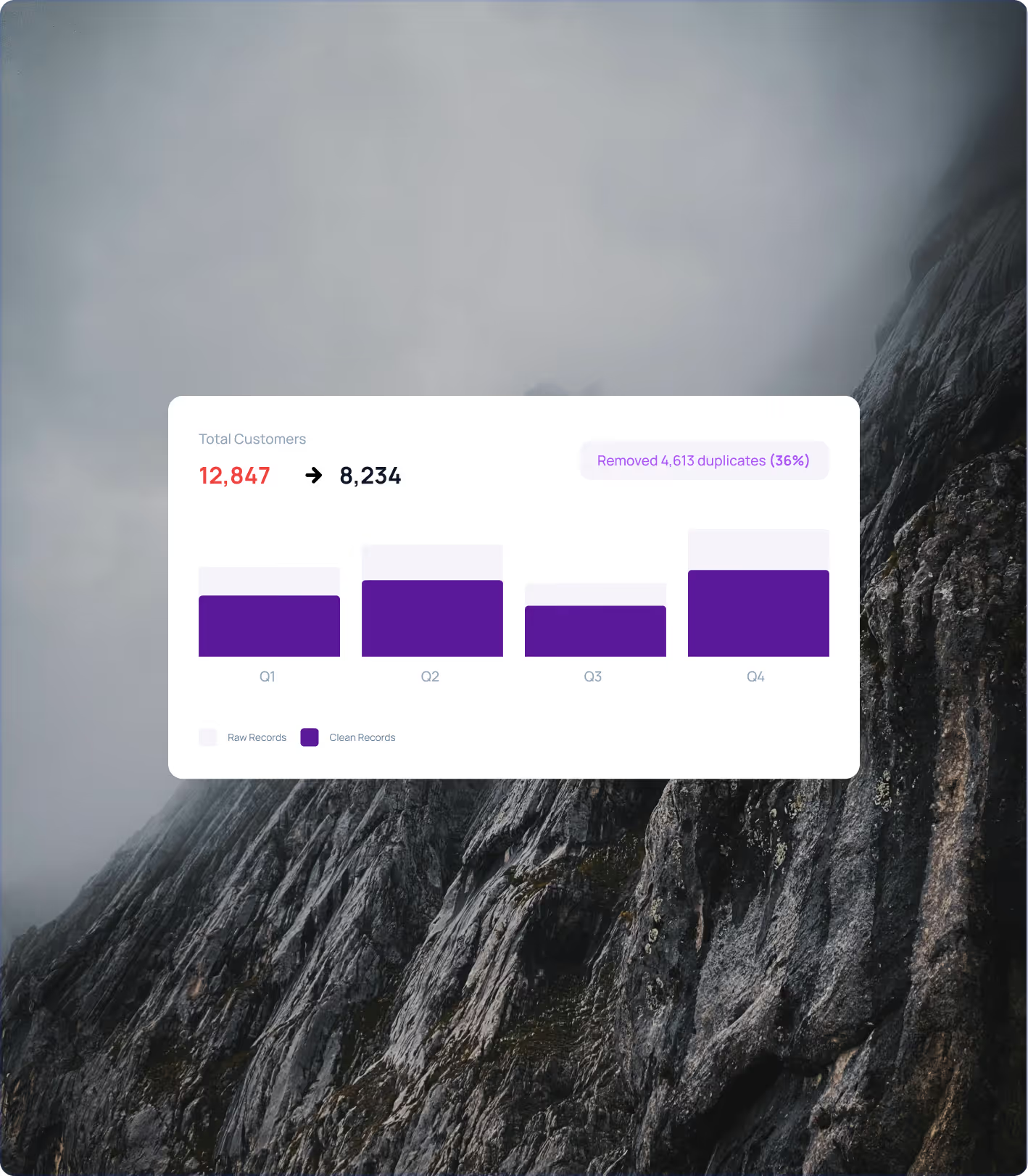
Every dashboard built on top of duplicated customer records shows the wrong numbers. Customer count, average order value, lifetime value, churn rate: all of these metrics shift when records that should be merged are counted separately. Leadership makes decisions on data that overstates the customer base and understates per-customer revenue.
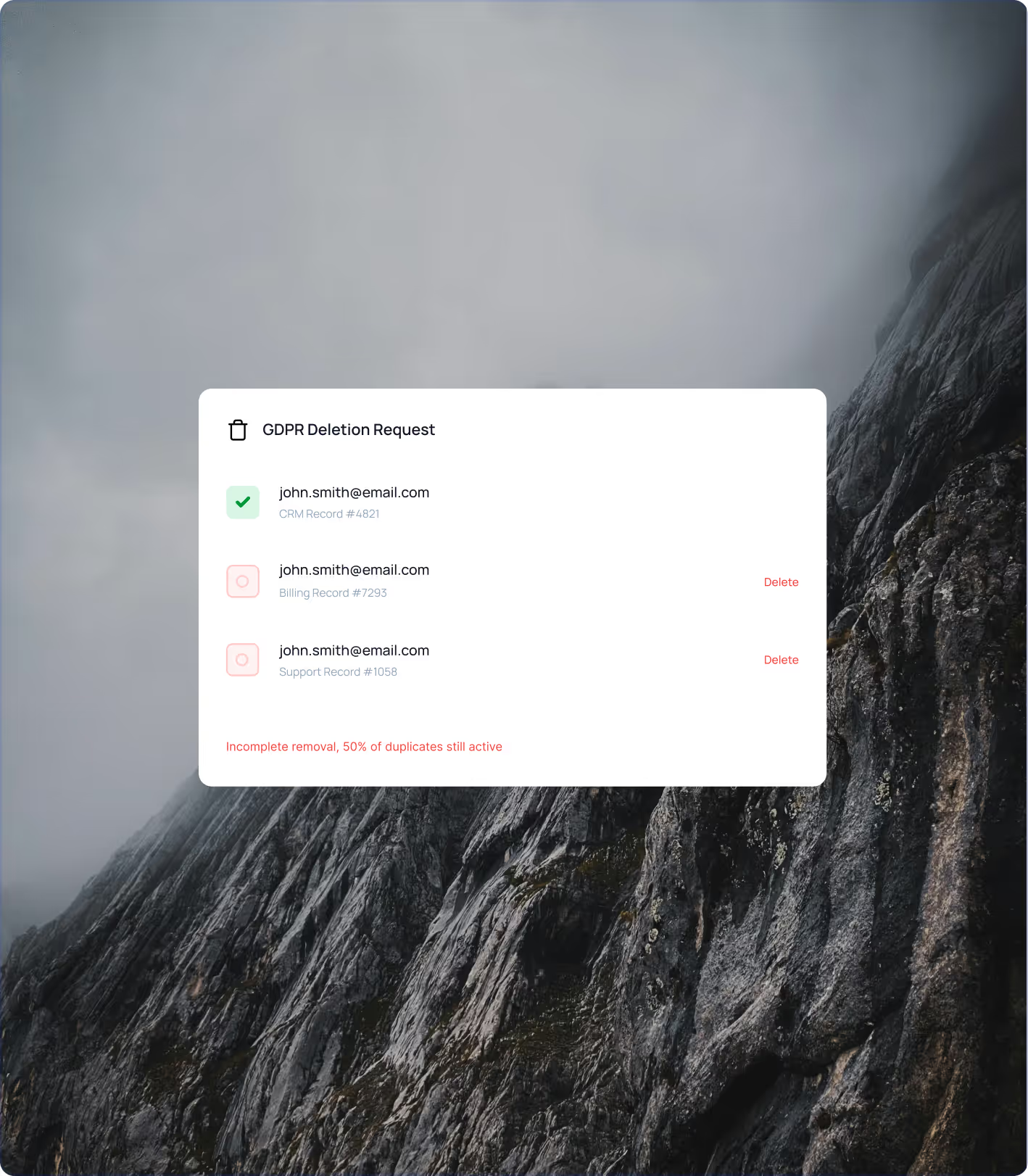
Regulations like GDPR and CCPA require organizations to honor data subject requests across every system. If a customer exists as three separate records, a deletion request might only remove one. Incomplete compliance exposes the organization to fines and audit findings. Duplicate records are a direct liability when regulators come looking.
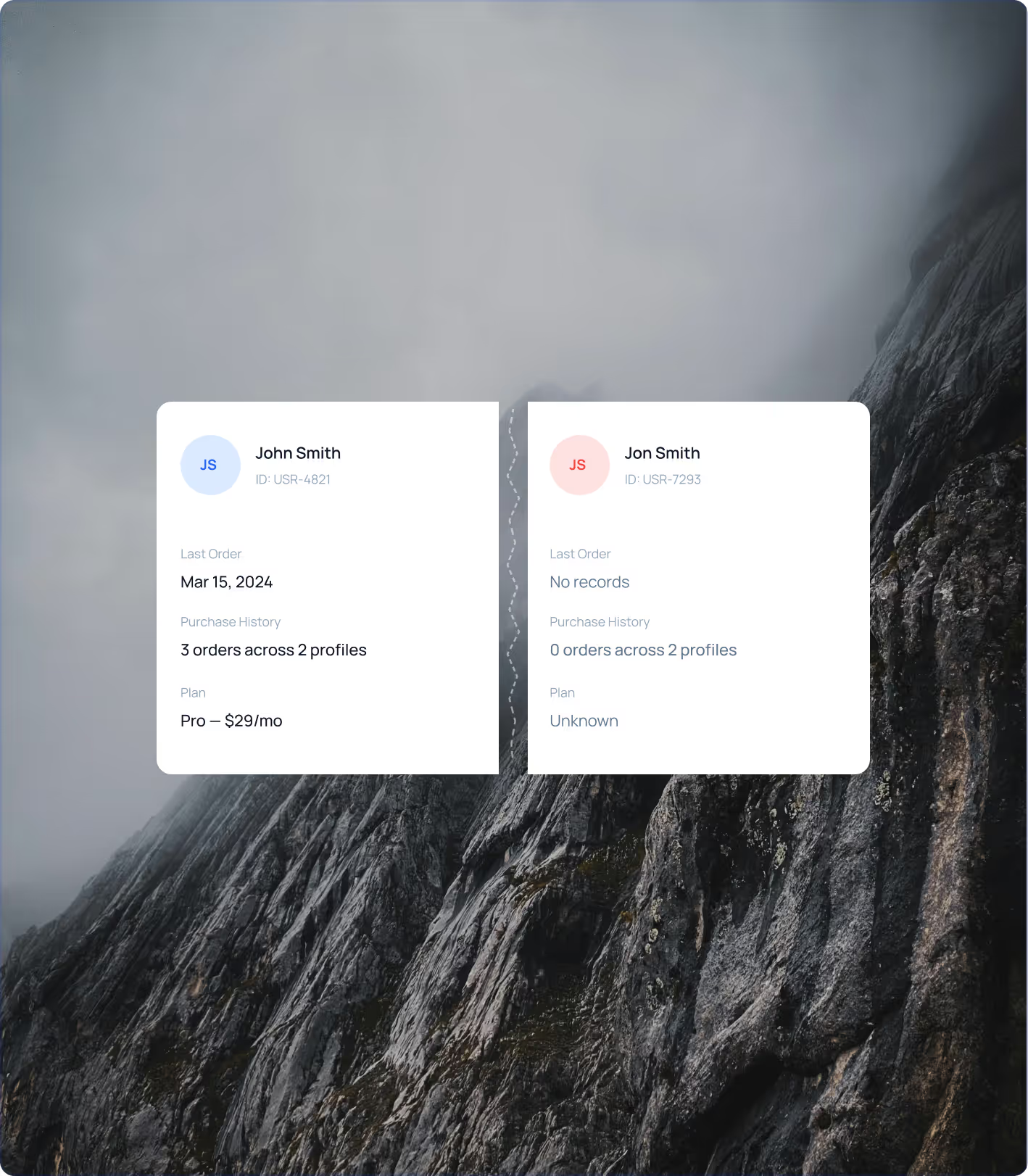
Duplicate customer records mean duplicate outreach. The same person receives the same email three times, each addressed to a slightly different version of their name. Segmentation breaks because one customer appears in multiple cohorts. Campaign performance metrics inflate when three records count as three conversions instead of one. Marketing teams lose budget and credibility to data they cannot trust.
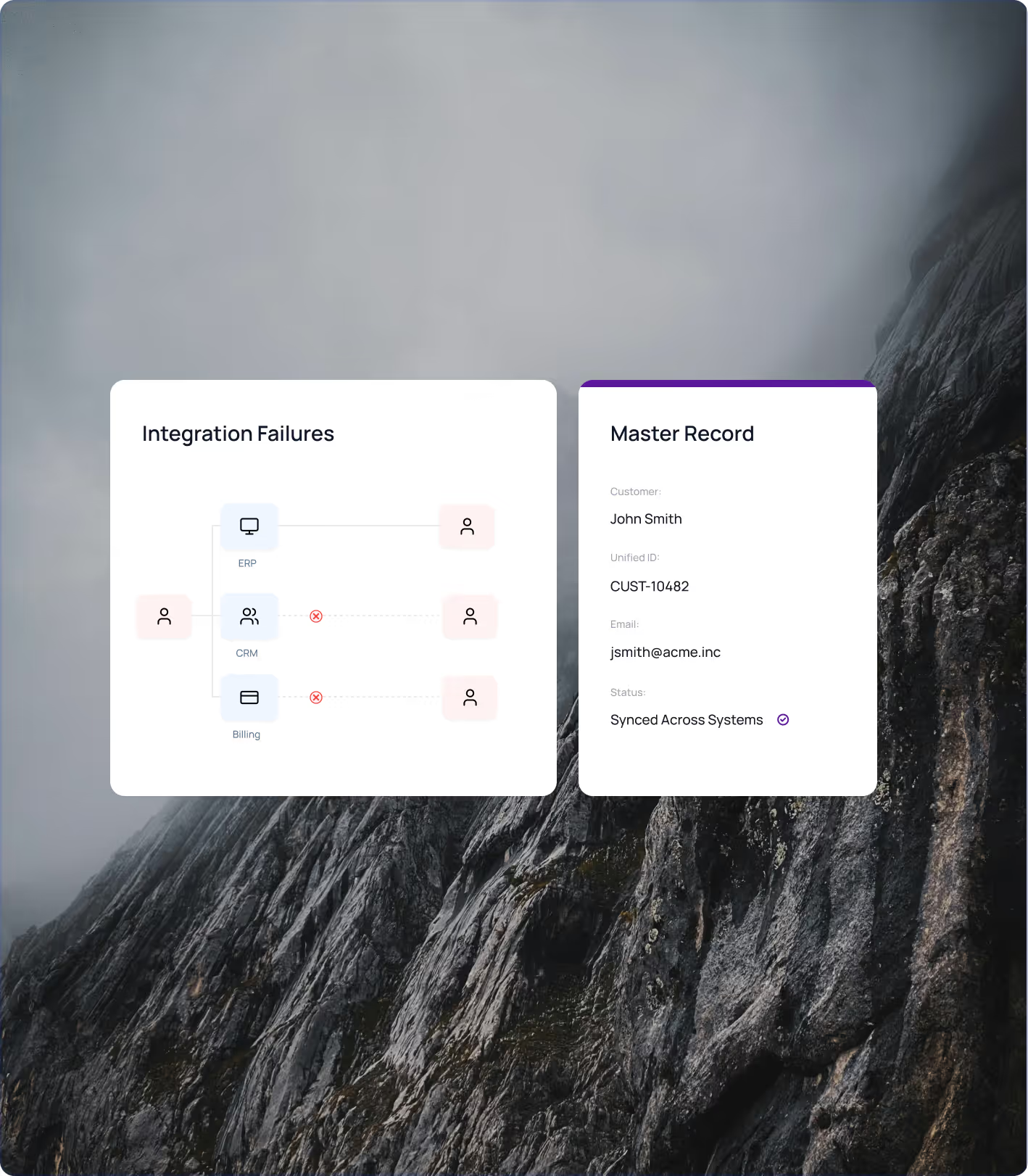
Duplicate customer records mean duplicate outreach. The same person receives the same email three times, each addressed to a slightly different version of their name. Segmentation breaks because one customer appears in multiple cohorts. Campaign performance metrics inflate when three records count as three conversions instead of one. Marketing teams lose budget and credibility to data they cannot trust.
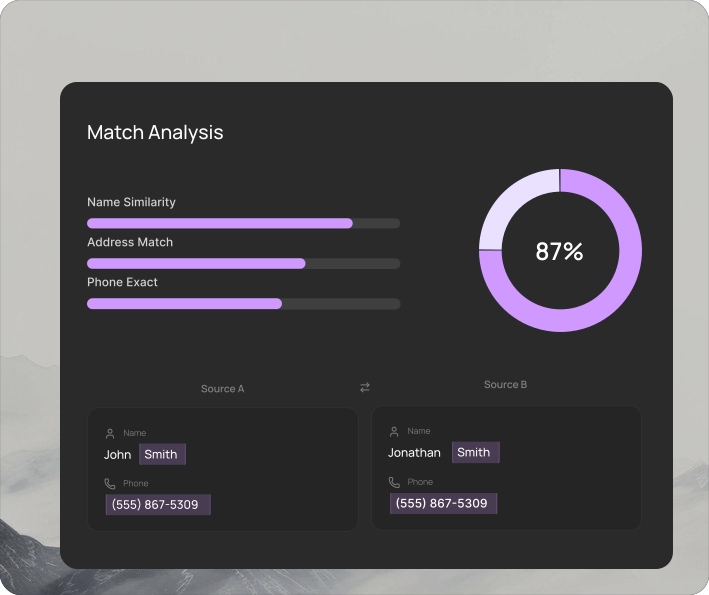
Most matching tools are black boxes. Records go in, results come out, and nobody can explain what happened in between. That makes tuning impossible, audits painful, and stakeholder trust difficult to earn.
matchlogic shows you every rule, every weight, every threshold, and every token that contributed to a match decision. If two records matched at 87% confidence, you can see that the name contributed 34 points, the address contributed 28 points, and the phone number contributed 25 points. If a match looks wrong, you adjust the threshold and rerun in minutes.
Your team stays in control. Your auditors get documentation. Your executives get numbers they can defend.

matchlogic's algorithms handle phonetic similarities, nickname-to-formal-name conversions, transposed characters, and multilingual variations. 'Robt. Smith', 'Robert Smyth', and 'Bob Smith' resolve to the same customer when the supporting data aligns.

Before matching begins, matchlogic scans every field for completeness, uniqueness, frequency patterns, and format inconsistencies. You see exactly what's messy before you decide how to clean it. Profiling often reveals problems that matching alone would miss.

Import from CRMs, ERPs, data warehouses, flat files, and legacy databases. Deploy on a desktop for one-off projects, on a server for team access, or through the API to embed matching inside your existing data pipelines.

Adjust match thresholds, add blocking keys, assign field weights, and define survivorship rules through a visual interface. Data quality managers and analysts run the entire deduplication process without waiting on engineering.
See how matchlogic finds, scores, and merges duplicate customer records in a 3-minute walkthrough. Bring your own data file and we'll run it live.
Schedule a Demo
Entity resolution shows exactly how your records connect to real-world entities. You'll see which fragments belong together, where identity variations hide, and how records cluster. Visual entity maps highlight relationships across all your systems before any data changes, giving you full control over identity unification.
matchlogic resolves 10 million records in under 8 minutes, linking fragments and clustering related entities at scale. The engine analyzes every field, calculates match confidence, groups related records, and generates visual entity maps without performance issues.
Most companies discover 30-40% entity fragmentation they never knew existed. Resolution catches nicknames hiding as formal names, typos creating false duplicates, and company abbreviations splitting single entities. These variations cost real money in duplicate processes.
Deduplication removes exact duplicates within one dataset. Entity resolution links related records across multiple systems to real-world entities - even when names, formats, and identifiers vary. You get unified profiles showing the complete picture of each customer, vendor, or contact.
Yes - see exactly how records will cluster before any data changes. Visual previews show entity groups with confidence scores highlighted. Review field-by-field evidence, adjust matching rules, and approve results. Nothing changes until you confirm the resolution output.
Entity resolution creates unified customer identities for GDPR right-to-access requests, KYC verification, and AML screening. Track which records belong to each entity, prove proper identity management for audits, and maintain evidence trails showing how identities were resolved.

.svg)